What we do
What do we do?
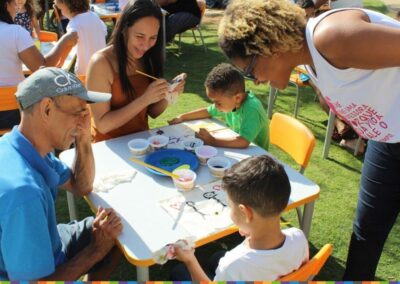
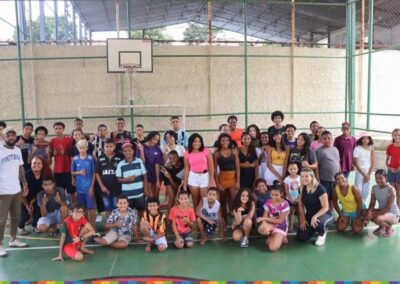
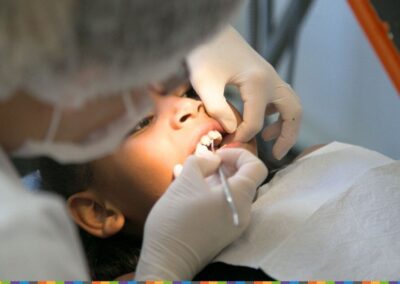
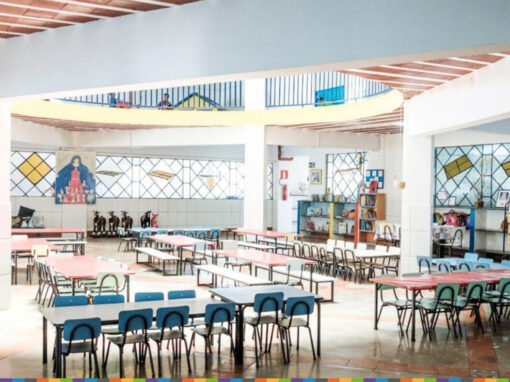
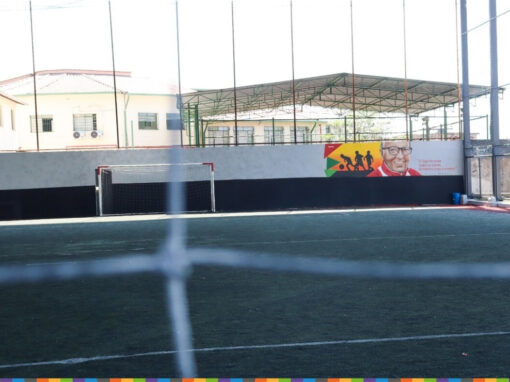
Our work is carried out across three areas of focus, organized into four programs, guided by our own educational approach. We operate six centers: four early childhood education centers, one residential care home, and one sports center.
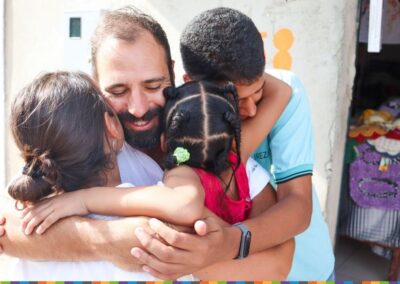
We walk alongside families in the education of their children and transform lives through meaningful relationships with Every person we meet.

4 Early childhood education centers

1 Residential care home

1 Sports center
Education
Social assistance
Sports and Culture
Why do we do what we do?
Our work begin with the needs we encounter in the communities we serve. We are committed to the holistic education of each person while walking alongside families, offering guidance, partnership and support.
Why the family?
Family is at the heart of everything we do.
We believe that strengthening families means strengthening the very foundation of society and creating a better future.
Our educational approach restores in mothers and other caregivers a renewed sense of personal dignity, helping families regain a clear sense of identity and the stability to thrive over time.
Our experience has shown that walking alongside families and offering genuine partenership empowers them to embrace their role as the primary educators of their children—creating a positive impact that extends throughout the entire community.
Supporting Families Means Responding to an Urgent Reality:
- 40% of families in Belo Horizonte live in poverty.
- Brazil is home to 11 million single mothers.
- The northern region of Belo Horizonte has one of the highest rates of domestic violence against women and young people.
- 9.5 million people in Brazil live in extreme poverty.
By walking alongside families—listening, supporting, and empowering them—we help strengthen family bonds and create new opportunities for individuals and communities to thrive.
Why Early Childhood?
We focus on early childhood because it is the beginning of life and the most critical stage of human development. Experiences during these early years shape a child's lifelong trajectory.
Our experience has show us that supporting a child also means supporting their families—especiallyn single mothers who need a safe and trusted place for their children. That is why we provide environments where children are cared for, nourished, and educated, but above all, where they can play, experience love and affection, and develop to their fullest potential.
We believe that every child is born with an endless curiosity and a natural desire to explore and understand the world around them. Our commitment is to nurture and protect that innate drive by providing a safe, beautiful, and meaningful environment where children can grow guided by justice, truth, goodness, and love.
Investing in Early Childhood Means Responding to an Urgent Reality:
- The communities we serve have one of the highest concentrations of children living in extreme poverty.
- High rates of violence against children and adolescents.
- Only 33.9% of children up to the age of three are enrolled in early childhood education in Brazil.
- 55.4% of young children live in low-income households.
- In Belo Horizonte, 47.14% of children aged 0–3 need access to childcare.
Investing in early childhood means investing in both the present and the future, laying stronger foundations for lifelong development and opportunity.
Why the continuity?
We continue to support children until they turn 18 because the relationships built during early childhood need continuity to foster healthy, resilient, and protected development.
This ongoing support ensures continuity in each child's educational journey by providing a lasting source of guidance, belonging, and care throughout their growth. Through weekly gatherings, workshops, sports and cultural activities, educational outings, and home visits, we remain actively present in the lives of children and adolescents as they grow.
The communities we serve experience high levels of vulnerability, including:
- Childhood and Adolescence Vulnerability Index (IVIA): 77.1 (Level 7).
- High homicide rates among boys and young men aged 0–21.
- One of the highest rates of sexual violence against children and adolescents (ages 0–17).
In this context, long-term support is essential to provide protection, strengthen supportive relationships, and expand opportunities for children and young people.
We maintain meaningful relationships with our sponsors, helping create a close and lasting network of support around every child and family.
Many of the adolescents we serve today joined our programs without having attended our early childhood center. Often referred by friends, they find in our community a trusted place of guidance, belonging, and support.
For many of them, the early childhood center remains a home— a place where they feel welcomed, supported, and know they can always return.
How We Work
Our work is organized into four programs:
Early Childhood Education, Family Support, Socio-educational Program, Residential care services.
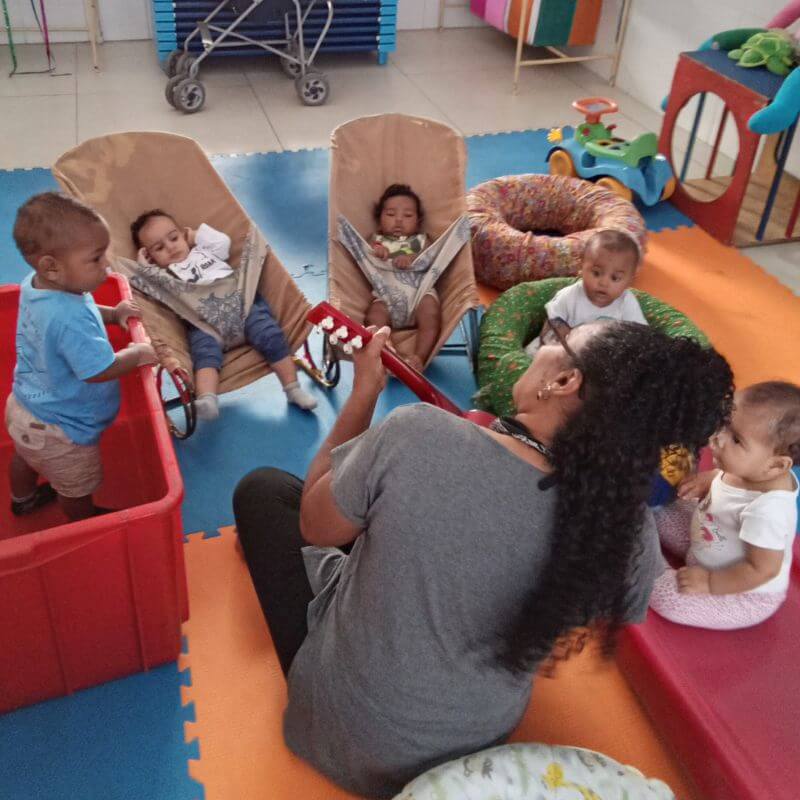
Early Childhood Education
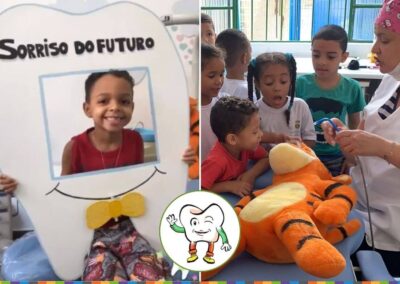
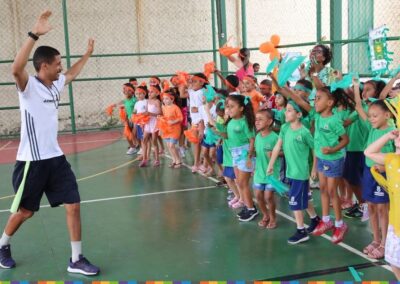
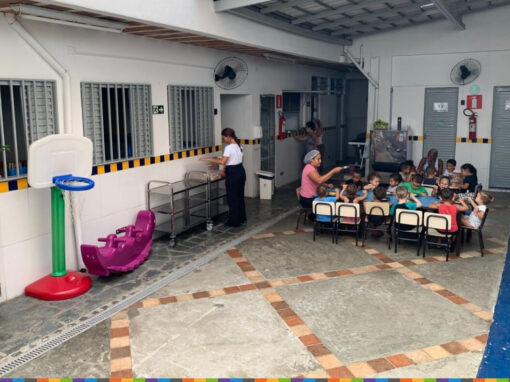
Full-time daycare and early childwood centers serving children from birth to age 6, Monday through Friday, providing na environment that promotes children's development, care, and learning, along with five nutritious meals each day.
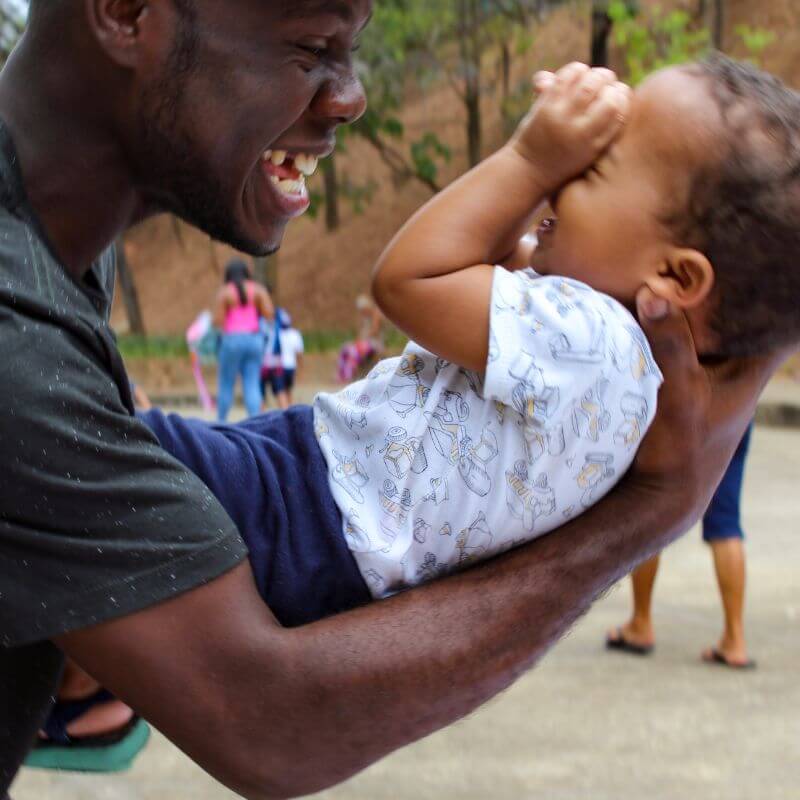
Family Support
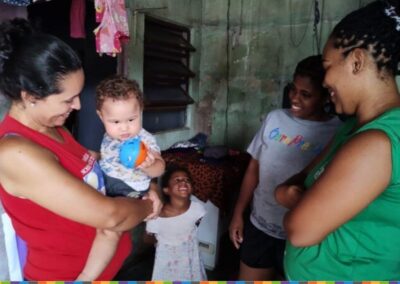
Socio-Family Guidance and Support. We work with families experiencing vulnerability, helping strengthen family bonds and improve access to rights and essential services, while fostering their active role in their own development. This support is provided through home visits, individual consultations, and community events.
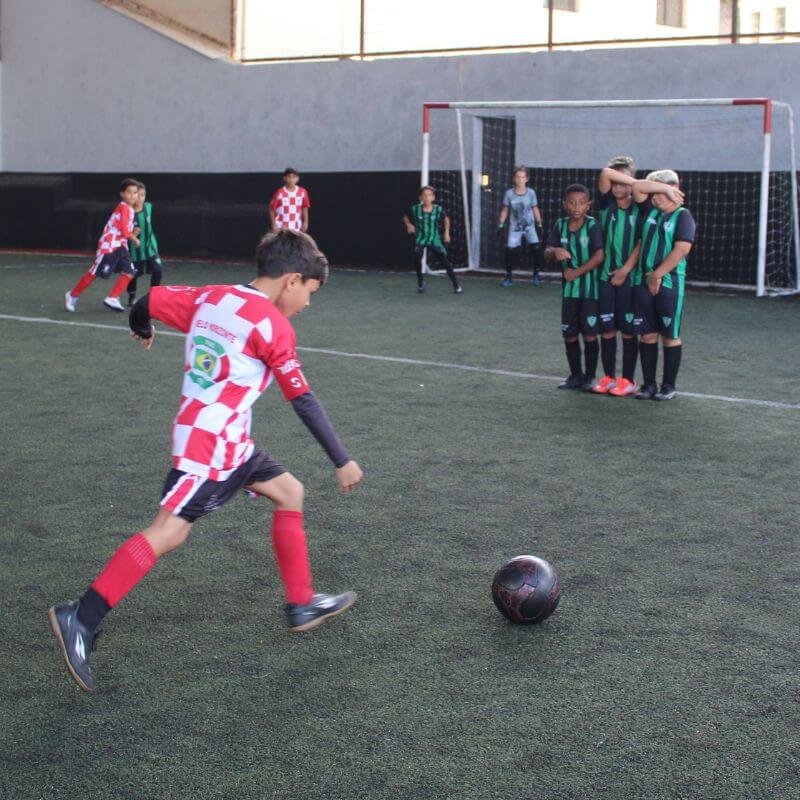
Socio-Educational Programs
After-school programs for children and adolescents, offering educational, cultural, and sports activities that support their personal and social development.
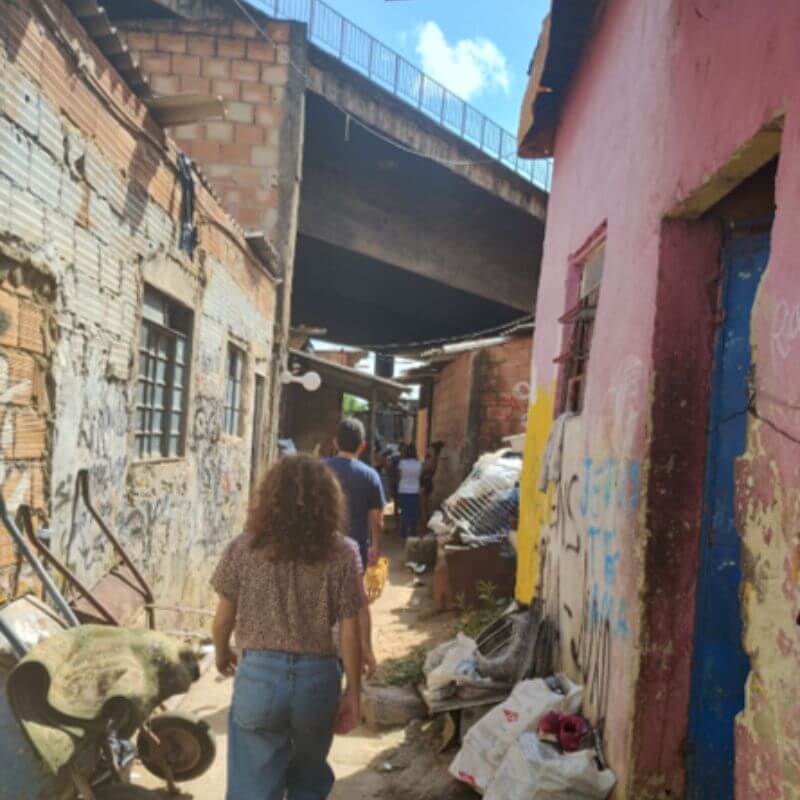
Residential Care
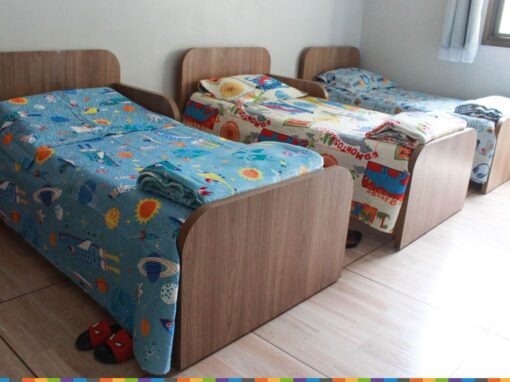
A protection service for children who have been temporarily removed from their families due to situations of risk, in accordance with child protection measures. The service provides temporary residential care while safeguarding children's rights and working toward family reunification whenever possible.
Early childhood Pedagogical Projects
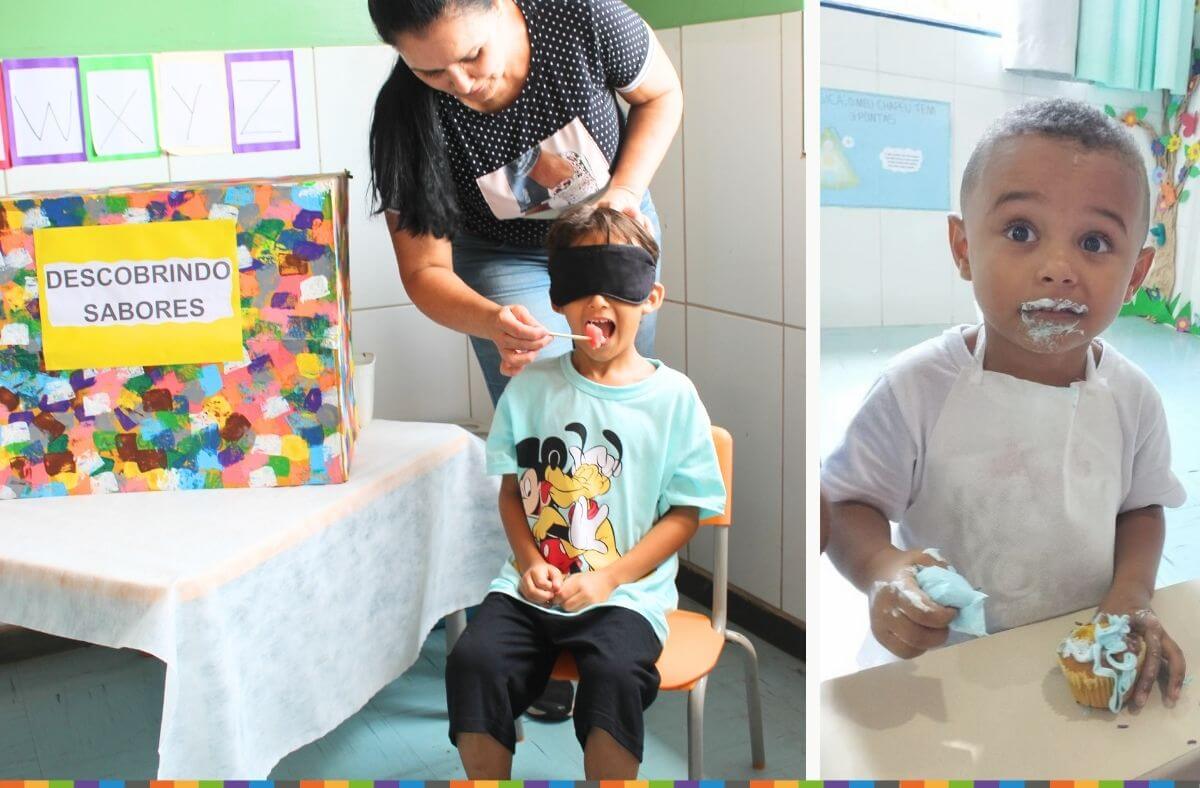
Every year, our units develop a shared educational project based on a specific theme that guides all activities throughout the school year.
Os cinco sentidos
O Projeto 2023 teve como objetivo despertar a atenção das crianças para a realidade, convidando-as a explorar os sentidos e a construir memórias significativas a partir das experiências vividas.
Companionship for Families
Meeting families where they are and building relationships with them.
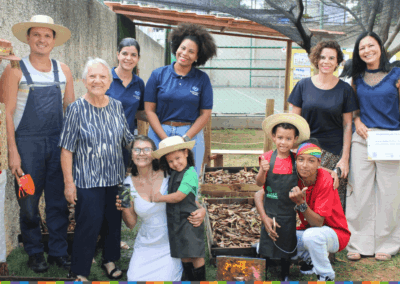
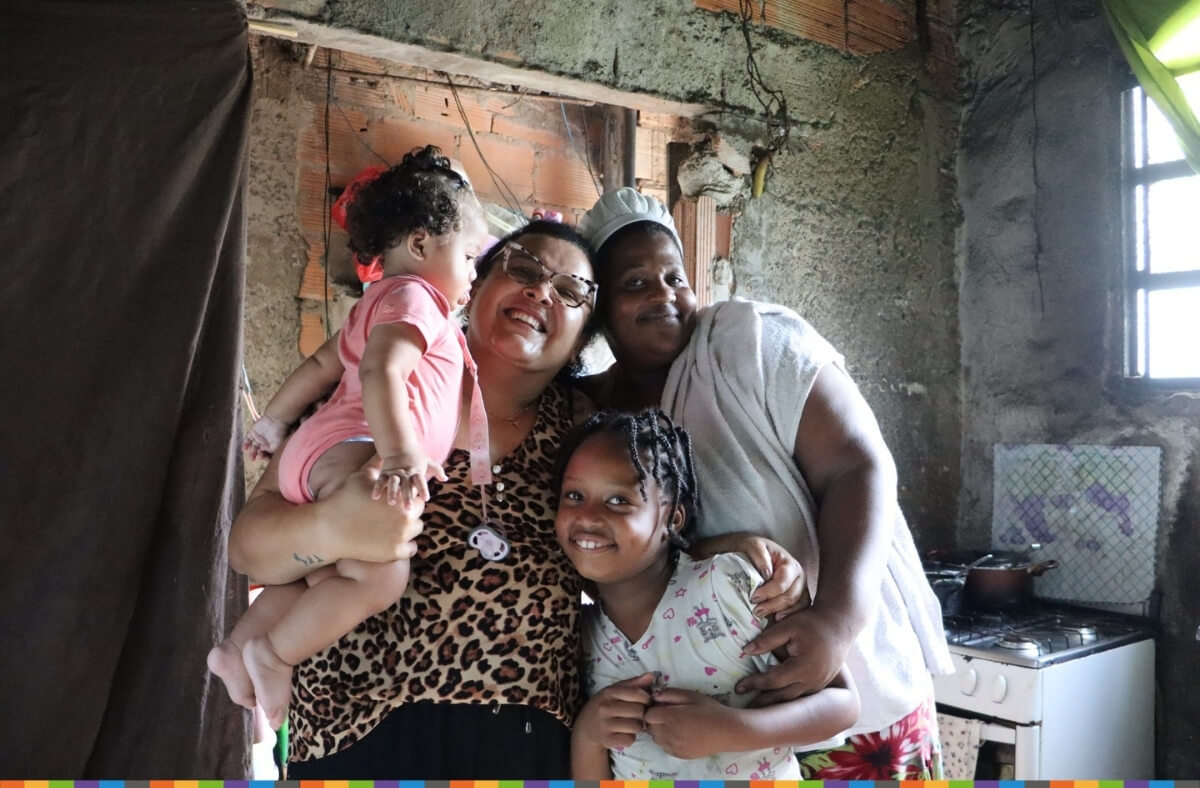
We provide close support to families through welcoming spaces and home visits, learning about their realities and strengthening dialogue with each family. We seek to expand awareness of families’ role as protagonists in their children’s education, building a shared educational journey based on listening, participation, and trust—always working with families, never for them.
We provide individual support and collective activities such as workshops, talks, events, and celebrations, including appreciation breakfasts, Family Day, and traditional community celebrations. We also organize parent-and-child workshops and external activities, bringing the educational experience closer to family life.
We promote gatherings for women and men, creating spaces for connection and exchange of experiences. In partnership with the social assistance network, we offer training and referrals, strengthening a coordinated support system.
Our actions also include community initiatives focused on preventing family violence and strengthening family and community bonds.
School Support
A new way of connecting with learning
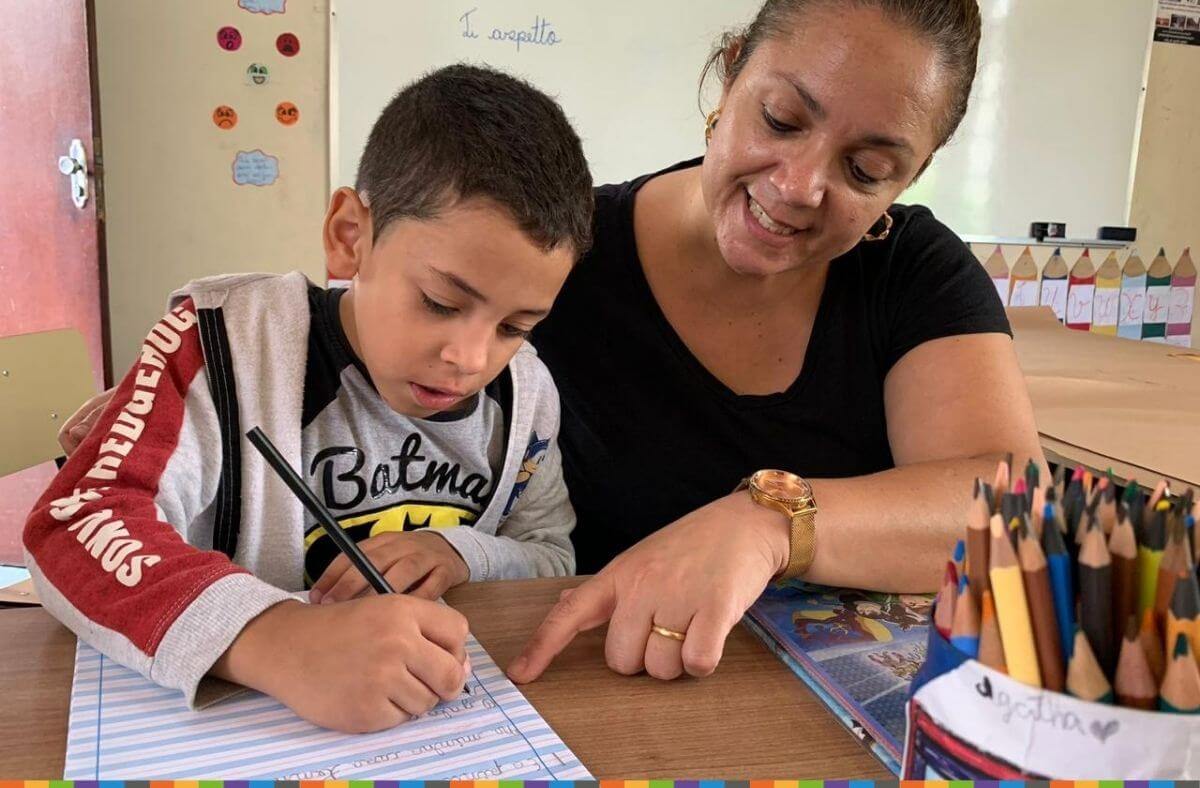
This initiative serves children aged 6 to 12 and takes place after school hours. Its goal is to provide a space for social interaction and new ways of engaging with knowledge, strengthening the learning process in a light, continuous, and meaningful way.
Activities are organized according to the needs of each group, with classes formed around shared learning needs. The program works on literacy, reading, text comprehension, and mathematics, focusing on reviewing and deepening school learning while also developing students’ autonomy through innovative educational approaches.
The educator responsible for the program develops different activities that enrich the learning experience, such as the “Literary Café” and “Light Friday,” held once a month, always with an educational purpose. Activities that encourage reading at home are also promoted, involving parents and caregivers in the learning process.
InFamiglia
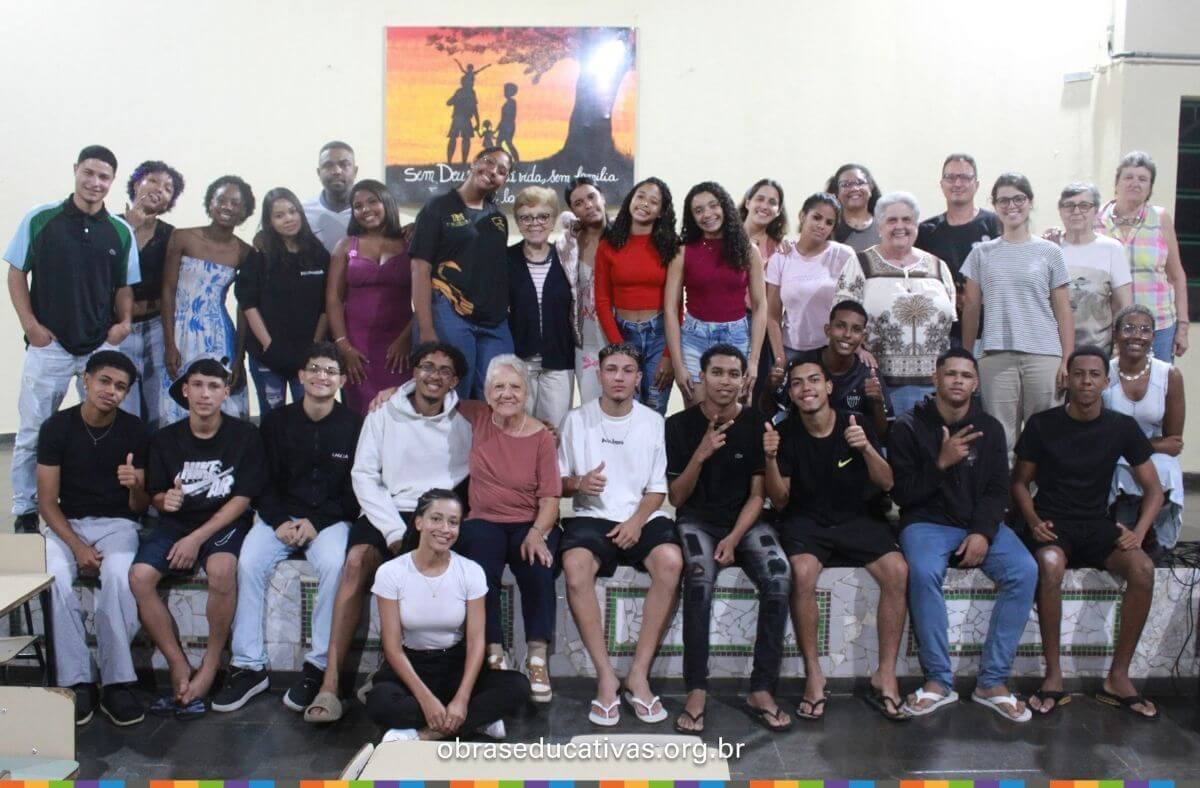
Continuing the educational journey
Our locations
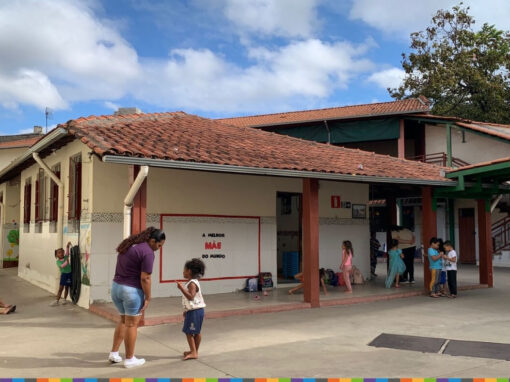
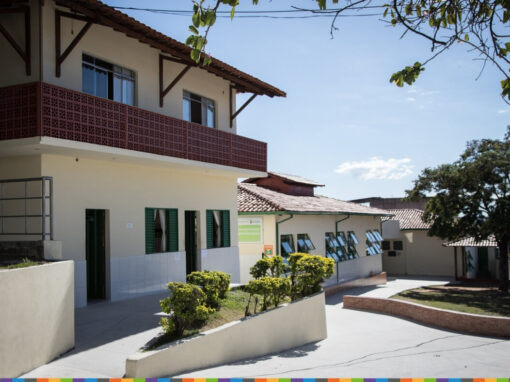
We operate in the northern region of Belo Horizonte through six nonprofit institutions.
Projects
Discover our completed, ongoing, and fundraising-stage projects, and learn how you can contribute and support our initiatives.
.