Unit
Casa Novella
Residential Care
Founded in: 2001
“Welcoming those who are welcomed” — Rosa Brambilla

Who We Are:
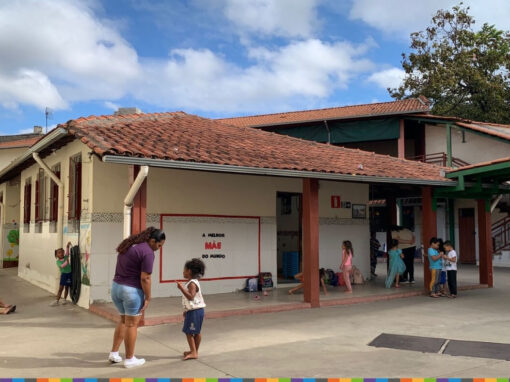
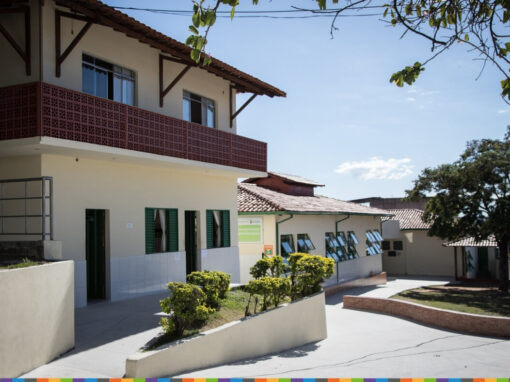
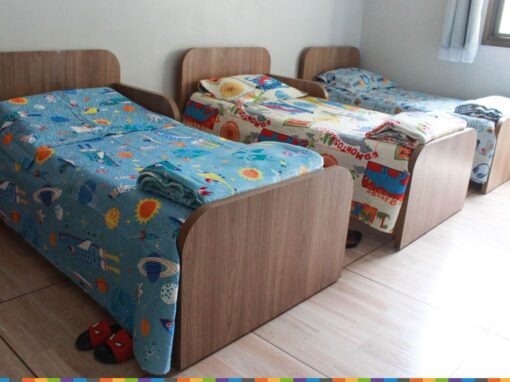
Casa Novella welcomes children ages 0 to 6 who are in situations of personal and/or social risk, referred by order of the Juvenile Court and Child Protection Services.
Our mission is to promote the protection of children’s rights, with special attention to the right to live within a family and a community, ensuring protection, care, and opportunities to grow.
Casa Novella grew out of experience gained in caring for children suffering from malnutrition, many of whom were unable to return to their mothers. Since then it has become a place of care, welcome, and hope, built with the support of projects and Italian friends.
Our Commitment:
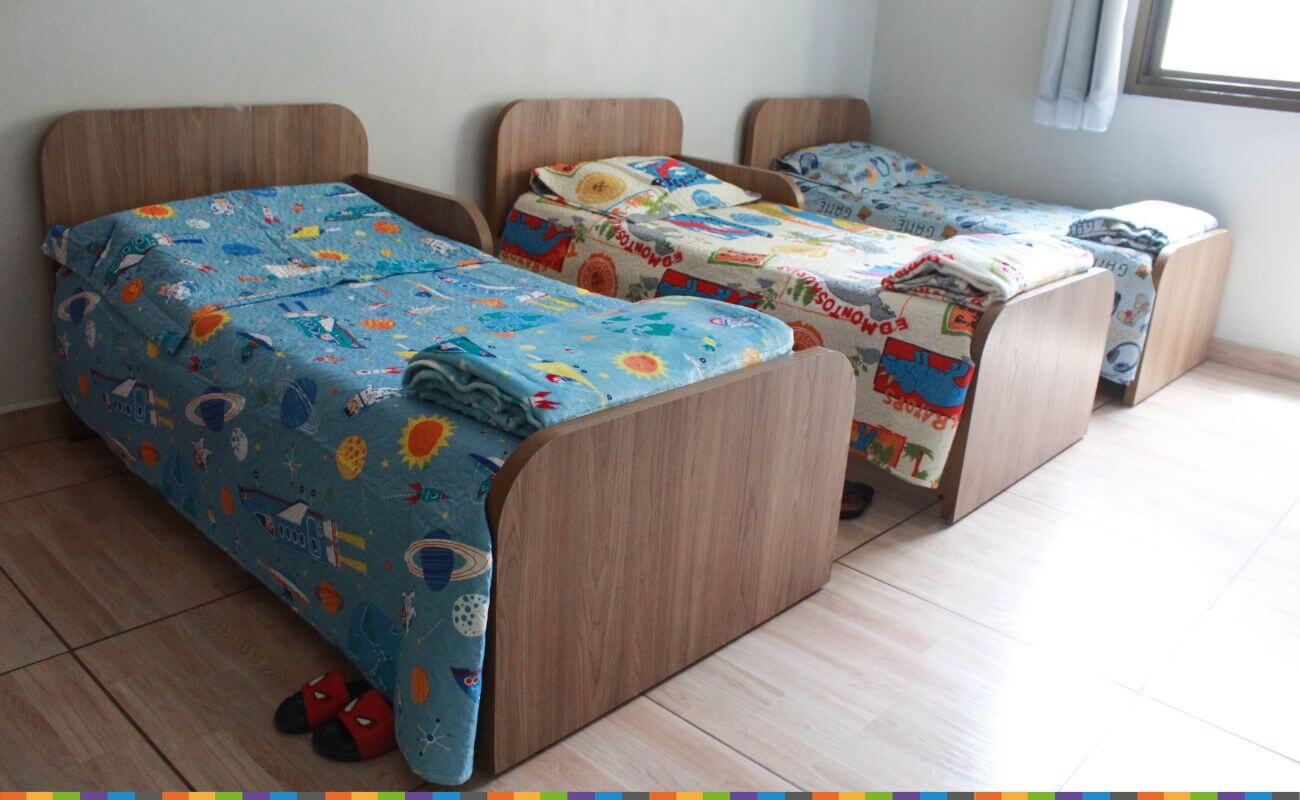
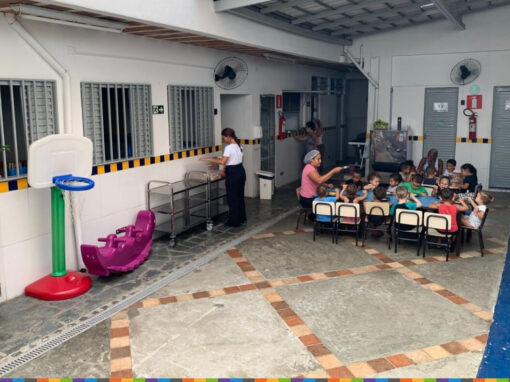
The house can welcome up to 12 children, providing personalized, humane, and qualified care through:
-
- Institutional care
- Advocacy for children’s rights
- Support for birth families
- Strengthening the bonds between the family and the social support network
- Technical guidance
How It Works:
Residential care is a temporary, exceptional measure for children who are victims of rights violations, in situations of neglect, abandonment, or psychological, physical, or sexual violence, and it lasts until the risk situation has been resolved.
During this period, the team supports families through their recovery process, strengthening their educational and protective capacity and helping them overcome situations of vulnerability.
Reintegration with the birth family or extended family is always the priority. Only in exceptional cases is a child placed with a foster or adoptive family, as determined by the Judicial Authority. Since its founding, Casa Novella’s main goal has been to support children’s safe return to their families.
To learn more about children’s rights and guidelines:
"To welcome means to care for the whole person, to embrace their needs in every aspect, building a positive bond that helps the other feel cared for and loved.”
– Elma Lopes
Stories That Inspired
Casa Novella
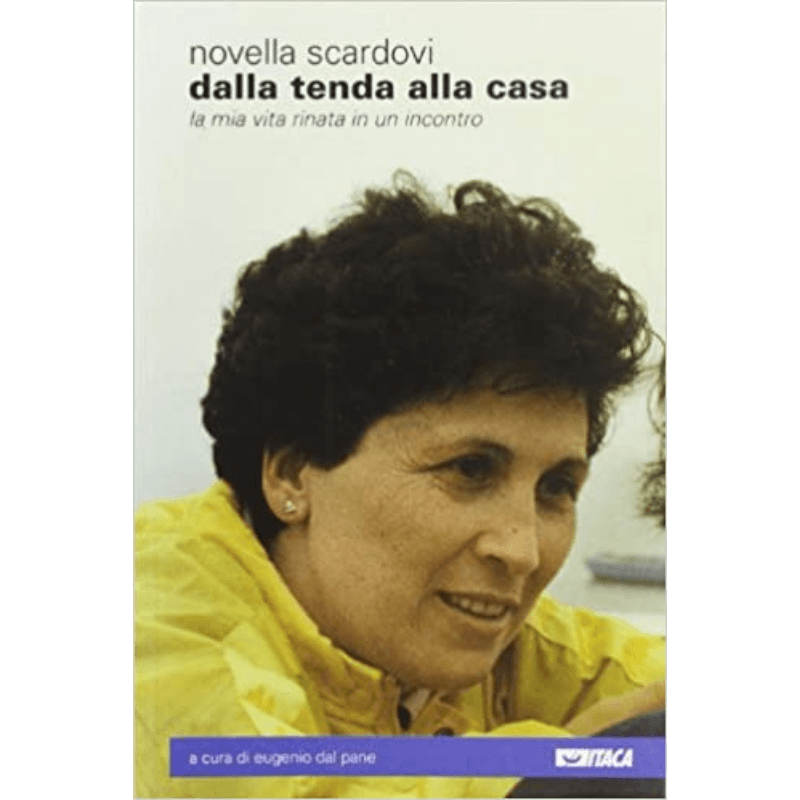
Novella Scardovi and the Families She Welcomed
Novella Scardovi’s work of welcome inspired Casa Novella. She was born in Italy in 1949 and welcomed into her home children and young people with serious family problems, struggling with drug and alcohol addiction. To do this, she relied on the essential support of a group of psychiatrists, a therapeutic community, and an association of foster families.
In 1996, she opened a larger, better-suited home to welcome people in situations of high social vulnerability. Despite her sudden death in a car accident, her work continues today in Italy, with the support of her great friend Adele Tellarini.
In her honor, Rosa named our residential care home after her.
“Only in being welcomed does a person find the way to live. There are families who have lost their very substance, to the point of raising people with no sense of belonging.” - Novella Ravaglia
Tiago’s Story
While still a newborn, Tiago was seen by pediatrician Marco Matos, one of the founders of Casa Novella, at a health center in the northern region of Belo Horizonte. During his first check-ups he appeared healthy, and his mother showed willingness to follow the guidance she was given.
Around three months of age, however, his situation began to worsen: he arrived at appointments dirty, with severe diaper rash, weight loss, and frequent bouts of ear infection and diarrhea. Little by little, his mother stopped coming to the health center. Tiago and his mother disappeared for seven months.
When they returned, Tiago was ten months old and in extremely serious condition: he was suffering from third-degree malnutrition, had an active infection, and his health was severely compromised. Faced with this situation, his mother said she was no longer able to care for her son. Moved by the severity of the case, the doctor proposed that the child be taken in by the Jardim Felicidade early childhood center. The mother agreed, and the center’s coordinator welcomed him into her own home, providing the care he needed to recover. This was one of the first spontaneous cases of foster care. His mother was later supported by the educational team and, after a few months, was able to welcome her son back into the family.
Tiago’s story was the decisive impulse behind the founding of Casa Novella, which opened in 2001. The funding for its creation came from the emergency project Reception Center for Children at Risk, financed by the Italian Embassy, and from the project Preventing Abandonment: Welcome and Family Reintegration for Children at Risk, promoted by the Commission for Intercountry Adoptions.

Rosetta Brambilla and Her Work in the Early Childhood Centers
The nurse Rosetta Brambilla arrived in Brazil in 1964. From 1980 she worked at a small health center on the outskirts of Belo Horizonte, dealing with the needs of the local population. Her first great cause was helping, alongside Father Pierluigi Bernaregi, to found the Association of Rental Residents (AMABEL), to request public funds for the purchase of plots in the favela and the construction of housing. Once the request was granted, the houses were built through a shared effort, and the residents named the new neighborhood Jardim Felicidade.
Rosetta later dedicated herself to children’s education. “I worked at the health center, and every week many mothers would come to talk to me about their relationships with men and the very difficult situations they were living through. They were the ones carrying the family forward, and having nowhere to bring their children, they left them shut inside the house.” Rosetta felt she had to do something for them, and together with the clinic’s staff, they built a six-square-meter house with a bathroom and a kitchen. “That’s how our early childhood center was born — which, to tell the truth, was little more than a shack,” Rosetta recalls.
In the late 1990s, the nursery of the Etelvina Caetano de Jesus preschool began operating as a reception center, taking in during the day children from families in situations of risk. This experience was the first response to a need that, over the years, became increasingly clear: children arriving at our schools with signs of mistreatment, often at the hands of their own parents.
“A child living under a bridge has the same longing for happiness as any other child.”
– Rosa Brambilla